
Bangladesh Agro-Meteorological Information Service (BAMIS)
Department of Agricultural Extension

Department of Agricultural Extension
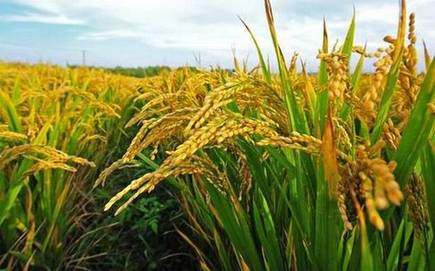
Sowing: 35-45 days seedlings may be transplanted. During
transplanting 1-2 cm water is required. 2-3 seedlings may be sown together and
also at 2-3 co depth. Transplanting should be done in row. Row to row distance
should be 20-25 cm and plant to plant distance along the row is 15-20 cm.
Severe Cold and
Seedbed:
Cold weather hinders crop growth. In order to maintain the
seedbed nicely, the seedbed should be covered with polythene from morning 10 o’
clock to evening. Release the water
from the seedbed in the morning hours
and also remove the dews. This will help to grow the crop smoothly. ( more is
given later)
Maintenance of Seedbed:
Maintain 2-3 cm water in seedbed after 4-5 days after
germination. This will also help to save the seedbed from birds. Apply 7
gram urea per sqare meters if the seedbed becomes yellowish. If
still the seedbed is yellowish after the urea application as mentioned, apply
10 gm gypsum per sq meters. Maintain the water level in the seedbed after
application of urea.
Fertiliser Applications:
Low land Boro Paddy: ( More than 150
days and long duration)
|
Name of the fertiliser |
|
|
|
Kg/Bigha |
|
|
|
Urea |
40 |
|
|
TSP |
13 |
|
|
MP |
22 |
|
|
Gypsum |
15 |
|
|
Zinc Sulphate |
1.5 |
|
TSP, MP,
Gypsum, Zinc Sulphate all the fertilisers should be applied at the end of land preparation. Urea should be applied as
follows:
1. 1st Dose: 1/3rd urea the end of land preparation
2. 2nd dose ( 1st
top dressing): 1/3rd urea
during appearance of tillers( Usually
20-25 days after the 1st dose)
3. 3rd dose:1/3 urea 5-7 days
before panicle initiation
Medium land Boro Paddy: ( less than
150 days and short duration)
|
Name of the fertiliser |
|
|
|
Kg/Bigha |
|
|
|
Urea |
35 |
|
|
TSP |
12 |
|
|
MP |
20 |
|
|
Gypsum |
15 |
|
|
Zinc Sulphate |
1.5 |
|
1. 1st Dose: 1/3rd urea 15-20 days after transplantation
2. 2nd dose ( 1st
top dressing): 1/3rd urea
30-35 days after transplantation
3. transplantation 3rd
dose:1/3 urea 5-7 days before panicle initiation
Haor Region
|
Name of the fertiliser |
|
|
|
Kg/Bigha |
|
|
|
Urea |
27 |
|
|
TSP |
12 |
|
|
MP |
22 |
|
|
Gypsum |
8 |
|
|
Zinc Sulphate |
1.5 |
|
If nitrogen
deficiency is noticed after Kaichthor, apply 4-5 kg urea per bigha as additional dose
Application of Sulphur and Zinc:
After application of urea if the plants become yellowish,
then there is a chance of deficiency of Sulphur in the plants. In that case
immediately remove water from the field and apply gypsum at the rate of
8kg/bigha. Add gypsum with either soil, ash or urea dose In
addition to that, if the growth of the plants are shunted and the colour
of the old leaves change from brown to orange, then there may be deficiency of
zinc. After removing water from the field add 1.5 kg zinc sulphate per bigha.
Irrigation Scheduling:
1.
There
may not be any need to maintain standing water in the rice field.
2.
Maintain
2-3 cm level of water upto 12-15 days after transplanting.
3.
After that using alternate wetting and drying maintain water level 5-7
cm upto appearednce of Thor.
4.
From
thor formation to hardening of grain, maintain 2-5 cm water.
Intercultural
operations:
Everytime weeding should be done before application of
fertilizer and mixed the same with soil. Hand weeding or weedicies may be used
for weeding.
Severe cold wave and management
of Boro Paddy.
Following precautions are taken to save the crop from cold.
1.
Maintain
3-5 cm water in the seedbed.
2.
Cover the seedbed with transparent polythene
from 10 am in the morning to evening.
3.
Remove
the existing water from seedbed and put fresh
water in the morning.
4.
Remove
the dew deposited on the plant.
5.
Withheld
transplanting during severe cold condition.
6.
Maintain 5-7 cm water
level after transplanting under cold
wave condition.
7.
Maintain
5-7 cm water level in Kushi stage under
cold wave condition.
8.
Use
35-45 days old seedling for transplanting.
9.
Maintain
15-20 cm standing water during thor and flowering stages under cold wave
condition.
Damages of Boro Paddy
due to weather condition and their remedies
Cold:
12-13 degree centigrade in the morning and 28-29 degree centigrade are the critical temperature during Kaichthor to Thor) and
cause damage to paddy grain. If such conditions prevail for 5-6 days,
then there may be considerable damage to crop. Even if the night temperature
goes below critical tempereature, day temperature more than 29 degree
centigrade save the crop from damage.
Warm Condition:
35 degree centigrade and above is harmful for the crop. If
such temperature prevails 1-2 hour during flowering stage that will affect grain.
Usually such high temperature in the month of May coincides with flowering
stage affect grain production.
Stormy Wind:
Stormy wind along with high temperature cause lot of
evaporation from the rice field and that ultimately dry up the field and also
affect plant growth. Stormy wind also affect pollination and fertilisation
Drought: This affect the growth of panicle and
ultimately produce deformated and unproductive plant.
General Remedies:
If the seedbed is prepared by middle of November, then there
may be chance that the thor and flowering may skip low and high temperature and
also stormy wind.